A Step by Step Guide to RF Microneedling Treatment
RF microneedling comes up a lot when people talk about supporting collagen and helping skin look smoother over time. But the step-by-step process is not always explained clearly, and that can make it harder to decide if it fits your goals. If you are trying to understand what actually happens during treatment, how your skin may respond, and what recovery can look like, this guide breaks it down in a simple, realistic way.
Having accurate information helps you set expectations you can feel good about. When you understand the process, it is easier to decide whether it aligns with your skin concerns, your schedule, and your comfort level. This article focuses on how the procedure is generally performed, what you may experience before and after treatment, and how skin changes tend to develop over time.
By outlining each stage in a straightforward way, this guide aims to give you practical information without hype or exaggerated claims.
For readers who are also curious about how recovery timelines and visible changes typically progress, you can review a closer look at RF microneedling results and downtime expectations for additional context.
What Is Radiofrequency Microneedling
Radiofrequency microneedling is a minimally invasive skin treatment that combines traditional microneedling with controlled radiofrequency energy. Fine needles create small, precise channels in the skin while radiofrequency energy is delivered into deeper tissue layers.
This process relies on your skin’s natural repair response. According to the American Academy of Dermatology, microneedling supports collagen production by triggering controlled wound healing. When radiofrequency energy is added, stimulation can reach deeper layers that influence skin firmness and texture.
Because collagen develops gradually, visible changes usually show up over time rather than immediately after treatment.
Step 1: Consultation and Skin Assessment
The process typically begins with a consultation and skin assessment. During this step, a provider reviews your skin concerns, your medical history, and any previous treatments you have tried to determine whether the procedure is appropriate.
This evaluation helps guide treatment depth, energy levels, and the overall approach. It is also your chance to talk through possible risks, expected recovery, and realistic timelines. Individual assessment matters because skin response can vary from person to person.
Step 2: Preparing the Skin Before Treatment
Before treatment, your skin is cleansed to remove surface oils and debris. A topical numbing agent is usually applied to help you stay comfortable during the procedure.
Preparation may also include going over aftercare guidelines ahead of time. Knowing how to care for your skin after treatment can help reduce irritation and support smoother healing.
Step 3: How the Treatment Is Performed
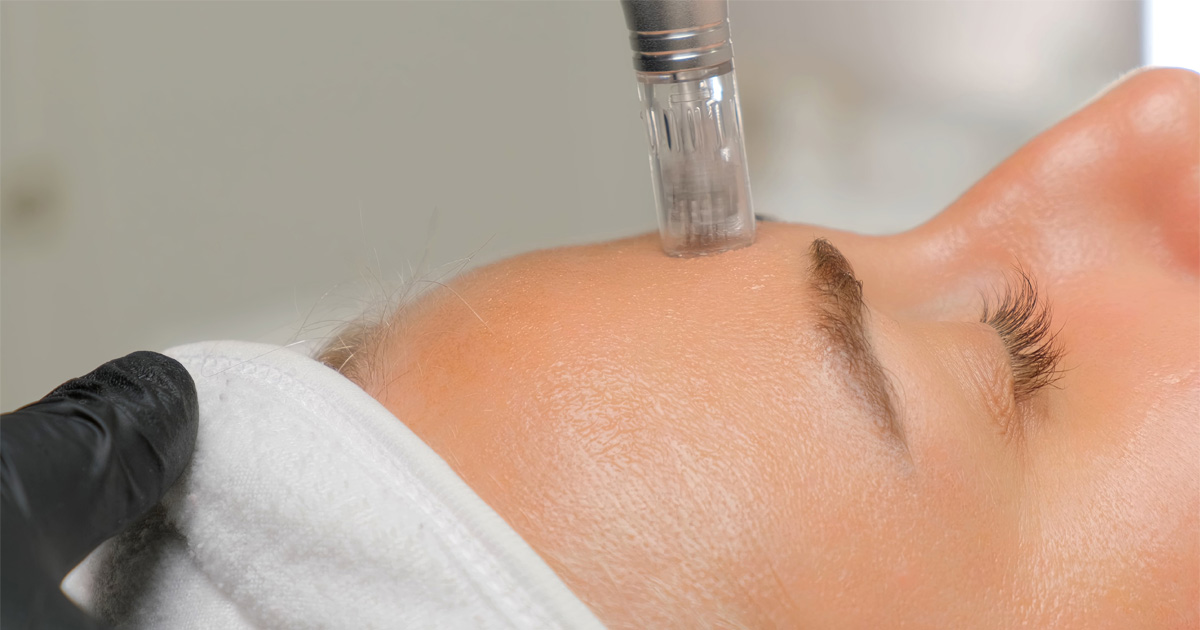
During the procedure, a handheld device creates controlled micro channels in your skin while releasing radiofrequency energy beneath the surface. Settings are adjusted based on the area being treated and your individual skin needs.
Sessions often last between 30 and 60 minutes. Most people describe sensations such as pressure or warmth. The Cleveland Clinic explains that temporary redness or sensitivity is a common part of the skin’s healing response.
Step 4: Immediate Skin Response After Treatment
After treatment, your skin may look red and feel warm, similar to a mild sunburn. Mild swelling or sensitivity can also happen and usually resolves within a few days.
Post treatment guidance often includes avoiding direct sun exposure, pausing harsher skincare products, and keeping your skin hydrated. Following these instructions helps support recovery and keeps your skin barrier calmer while it heals.
Step 5: Recovery and Skin Changes Over Time
Recovery timelines vary based on your skin sensitivity and treatment depth. Redness commonly fades within one to three days, while deeper skin changes continue to develop gradually.
Collagen production increases over several weeks as your skin moves through its natural repair cycle. Because this happens beneath the surface, visible improvements tend to appear progressively rather than all at once. Understanding this gradual timeline helps you set realistic expectations for how and when changes may become noticeable.
Common Skin Concerns Associated With This Treatment
This treatment is often researched for concerns such as uneven texture, mild skin laxity, acne scarring, and fine lines. Outcomes vary depending on your skin, the treatment plan, and how your skin responds during the healing phase.
If you want more background on goals people commonly have with this option, additional context is discussed in an overview of common RF microneedling benefits.
Common Misunderstandings
Some people expect immediate results or assume aftercare does not matter. Others believe one session produces the same outcome for everyone. In reality, your results depend on your skin, the treatment settings, and how consistently you follow aftercare. Understanding the step-by-step process helps you avoid unrealistic expectations and make decisions with a clearer picture of what is involved.
Frequently Asked Questions
Most sessions last between 30 and 60 minutes depending on the treatment area.
Downtime is usually minimal. Redness or sensitivity may last a few days.
Skin changes develop gradually as collagen production increases over several weeks.
Suitability depends on individual skin characteristics and should be evaluated during a consultation.
Some people notice changes after one session, while others may consider multiple sessions spaced several weeks apart.
Need Help Understanding RF Microneedling?
Need help understanding whether this treatment aligns with your skin goals?. Reviewing detailed treatment information can help clarify next steps.
You can learn more about the process on the microneedling with radiofrequency service page.
Disclaimer
This content is for informational purposes only and does not constitute medical advice. Individual results vary, and suitability for any treatment should be determined through a professional consultation.
References
American Academy of Dermatology Association. Microneedling: What to know.
https://www.aad.org/public/cosmetic/scars-stretch-marks/microneedling-fade-scars
Cleveland Clinic. Radiofrequency microneedling.
https://my.clevelandclinic.org/cosmetic-plastic-surgery/procedures/radio-frequency-rf-microneedling