What Is Radiofrequency Microneedling and How Does It Work for Skin Tightening?
You might be wondering if there’s a way to improve skin firmness and texture without going through something invasive or difficult to recover from. Many people notice early changes like fine lines, uneven skin texture, or mild looseness and start looking for options that feel effective but still manageable.
Radiofrequency microneedling is one of those treatments that often comes up, but it can feel confusing at first. What does it actually do? How does it tighten skin? And what should you expect if you’re considering it?
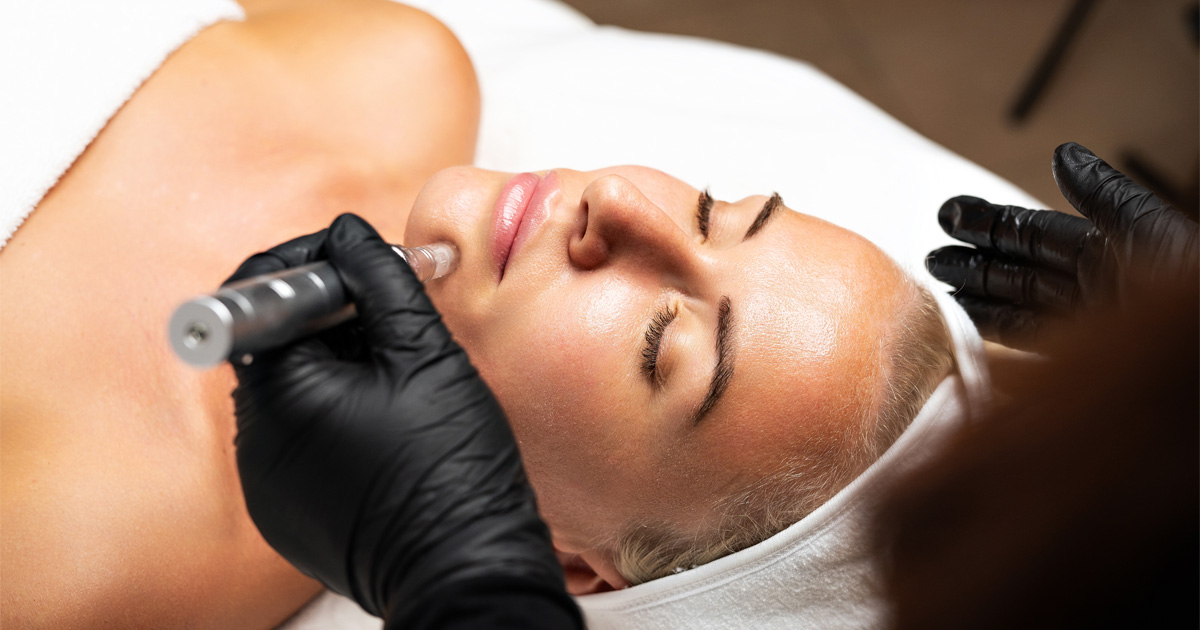
If you’re trying to picture how the process works in real life, it helps to look at what typically happens during a treatment session so you can understand the experience before going deeper into how it works.
What Is Radiofrequency Microneedling?
This treatment is a minimally invasive approach that combines fine needles with controlled heat energy to improve skin quality. It is often used as a skin tightening treatment because it works beneath the surface where structural changes happen.
Here’s the basic idea:
- Tiny needles create controlled micro-injuries
- Heat energy is delivered deeper into the skin
- The body responds with increased collagen production
- Skin gradually becomes firmer and smoother
This supports long-term skin rejuvenation by improving how your skin rebuilds itself over time.
How radiofrequency microneedling Works for Skin Tightening
This treatment works through two key mechanisms that happen at the same time. One stimulates repair. The other enhances tightening.
Micro-Injury Starts the Repair Process
The microneedles create small channels in the skin. These signals trigger your body’s natural healing response, which helps improve texture and strength.
According to Cleveland Clinic, this process supports collagen production, which plays a key role in rebuilding smoother skin.
Heat Energy Enhances Firmness
At the same time, controlled heat reaches deeper layers. This added energy helps improve skin tightness over time.
As explained by Cleveland Clinic, radio frequency stimulation supports collagen and elastin development, which contributes to firmer skin.
Gradual Remodeling Creates Natural Results
Instead of forcing quick or dramatic changes, your skin improves step by step through its own natural repair process. After the treatment, your body begins producing new collagen and supporting elastin stimulation, which helps strengthen the skin from within. This rebuilding phase takes time, but it is what leads to more consistent and longer-lasting improvements.
Over the following weeks, you may start to notice subtle changes. Your skin can feel smoother, look more even, and gradually appear firmer as the structure beneath the surface improves. These changes are not immediate, but they tend to build in a way that looks more balanced and natural compared to treatments that create sudden results.
This works because your skin is not being forced into a quick transformation. Instead, it is being supported as it repairs and renews itself. As a result, improvements often continue developing even after your sessions are completed, making the outcome feel more gradual, stable, and aligned with how your skin naturally ages and adapts over time.
What Skin Concerns Can This Treatment Improve?
This cosmetic skin treatment is often chosen because it addresses several concerns at once.
It may help improve:
- Fine lines and wrinkles
- Acne scars
- Uneven skin texture
- Enlarged pores
- Mild skin laxity
Because it works beneath the surface, it supports deeper improvements rather than temporary surface changes.
What Happens During Treatment?
If you’re unsure what to expect, here’s a simple breakdown of the process.
- Your skin is cleansed and prepped
- A numbing cream is applied
- A device with fine needles is used across the skin
- Heat energy is delivered below the surface
Most people describe the sensation as pressure combined with warmth.
What Does Recovery Look Like?
Recovery is one of the reasons many people choose this approach. It allows you to return to normal activities without extended downtime.
You may notice:
- Redness for a few days
- Mild swelling
- Temporary sensitivity
If you want to understand how changes develop after treatment, this guide on how results progress before and after treatment explains what most people experience during recovery.
When Will You See Results?
Results build over time rather than appearing immediately.
A typical timeline:
- Week 1 to 2: smoother feel
- Week 3 to 4: early tightening
- Week 6 to 12: visible improvement
This happens because collagen production takes time.
Who Is a Good Candidate for This Skin Tightening Treatment?
This treatment works well if you’re looking for gradual improvements.
You may be a good candidate if you:
- Notice early signs of aging
- Want to improve texture
- Prefer a minimally invasive option
- Are dealing with acne scars
How This Treatment Fits Into Real Treatment Planning
If you want to understand how this approach is typically used in practice, it helps to explore how this approach is used in professional skin treatments to see how treatment plans are structured.
How It Compares to Other Options
You might be comparing different treatments.
- Traditional microneedling focuses on surface-level repair
- Laser treatments may involve more downtime
- Surgical options provide faster results but require recovery
This approach offers a balance between effectiveness and convenience.
Common Misunderstandings About This Treatment
There are a few common misconceptions.
- Expecting instant results
- Thinking one session is enough
- Assuming it replaces all other treatments
Understanding these helps set realistic expectations.
A More Practical Way to Think About Skin Improvement
The key benefit of this approach is that it works with your body instead of forcing immediate change.
It supports long-term skin health by encouraging natural rebuilding. This makes it a strong option if you’re focused on steady improvement rather than quick fixes.
Frequently Asked Questions
Most people benefit from multiple sessions rather than just one. A common recommendation is a series of three to four treatments spaced a few weeks apart. The exact number depends on your skin condition, goals, and how your skin responds over time.
Downtime is generally minimal compared to more invasive treatments. You may experience redness, mild swelling, or sensitivity for a few days after your session. Most people feel comfortable returning to normal activities shortly after treatment.
Yes, this treatment is often used to improve the appearance of acne scars. It works by supporting collagen production, which helps smooth uneven skin texture over time. Results usually develop gradually as the skin continues to heal and rebuild.
Results typically appear gradually rather than immediately after treatment. Some people notice smoother skin within the first couple of weeks, with more visible improvements developing over time. The most noticeable changes usually occur after several weeks as collagen production increases.
This treatment is generally suitable for a wide range of skin types. However, individual factors such as skin condition and medical history should always be considered. A proper evaluation helps determine if it is the right option for your specific needs.
Understanding Your Options for Skin Rejuvenation
Choosing the right treatment depends on your goals and expectations.
If you want gradual improvements that build over time, this may be a good fit.
If you want to learn more about how this works in practice, you can explore Microneedling with RF to understand how it supports skin tightening and overall rejuvenation.
Disclaimer
This content is for informational purposes only and does not replace professional advice. Individual results may vary.