
How Can Fillers Help Restore Lost Facial Volume?
Table of Contents
- 1. Why Facial Volume Changes Over Time
- 2. Facial Fillers
- 3. How Fillers Help Restore Lost Volume
- 4. Common Areas That May Benefit From Treatment
- 5. What to Expect Before, During, and After Treatment
- 6. How Long Results May Last
- 7. Common Mistakes and Misconceptions
- 8. Understanding Your Next Steps
- 9. FAQ
- 10. Key Takeaways
- 11. A More Balanced Approach to Facial Rejuvenation
- 12. Disclaimer
- 13. References
As you get older, you may notice that your face looks different even if your skin is still healthy. Areas that once looked naturally full may begin to appear flatter or less defined because of gradual changes beneath the skin. Facial fillers are one option that may help restore lost volume and create a refreshed appearance while maintaining your natural facial features. If you’re also curious about the recovery process, it may help to learn why some results can appear temporarily uneven before settling naturally.
Here’s what you need to know about why facial volume changes over time, how fillers work, what areas they may treat, and what you can realistically expect before making a decision.
1. Why Facial Volume Changes Over Time
Looking older is not simply about developing wrinkles. One of the biggest contributors to facial aging is the gradual loss of volume beneath the skin. As the years pass, your body naturally produces less collagen and elastin, two proteins that help maintain skin structure and firmness. At the same time, the fat pads that create youthful facial contours slowly shift or decrease, while subtle changes in bone structure also occur.
These natural processes can affect the way light reflects on your face, making certain features appear less defined. For example, your cheeks may seem flatter, your temples may look slightly hollow, and lines around the mouth may become more noticeable even when your skin remains healthy.
This is why many people are surprised that skincare products alone cannot fully address every visible sign of aging. Creams and serums primarily work on the surface of the skin, while volume loss develops deeper within the facial tissues.
According to the FDA, certain dermal fillers are approved to restore volume, soften facial folds, and enhance specific facial features when used appropriately by qualified healthcare providers.
You might be wondering whether these changes happen only to older adults. In reality, facial volume loss begins gradually in adulthood and progresses differently for every individual. Factors such as genetics, sun exposure, lifestyle habits, and smoking may all influence how quickly these changes become noticeable.
Understanding why volume changes occur helps explain why treatment plans often focus on restoring balance instead of simply filling wrinkles.
2. Facial Fillers
When people hear the word “fillers,” they often think about making lips look larger. In reality, facial fillers are commonly used to restore volume in multiple areas of the face while maintaining natural facial harmony.
Many modern products are made with hyaluronic acid fillers, a substance that naturally exists in your body and helps retain moisture. Because hyaluronic acid attracts water, these fillers may provide subtle support beneath the skin while helping create smoother facial contours.
Instead of dramatically changing your appearance, treatment plans are often designed to improve overall facial balance. Small, carefully placed amounts of filler can sometimes create a more refreshed look than larger amounts placed all at once.
The main goal is not to make your face look different. Rather, it is to restore proportions that may have gradually changed over time because of aging and natural collagen loss.
The American Society of Plastic Surgeons explains that treatment plans are individualized based on facial anatomy, aesthetic goals, and the specific areas being treated. This personalized approach helps create results that complement your existing facial features rather than overpower them.
Because every face is unique, what works well for one person may not be appropriate for someone else. This is why consultation and careful assessment play an important role before any treatment begins.
3. How Fillers Help Restore Lost Volume
Many people assume cosmetic injectables simply “fill wrinkles,” but the process is much more sophisticated than that.
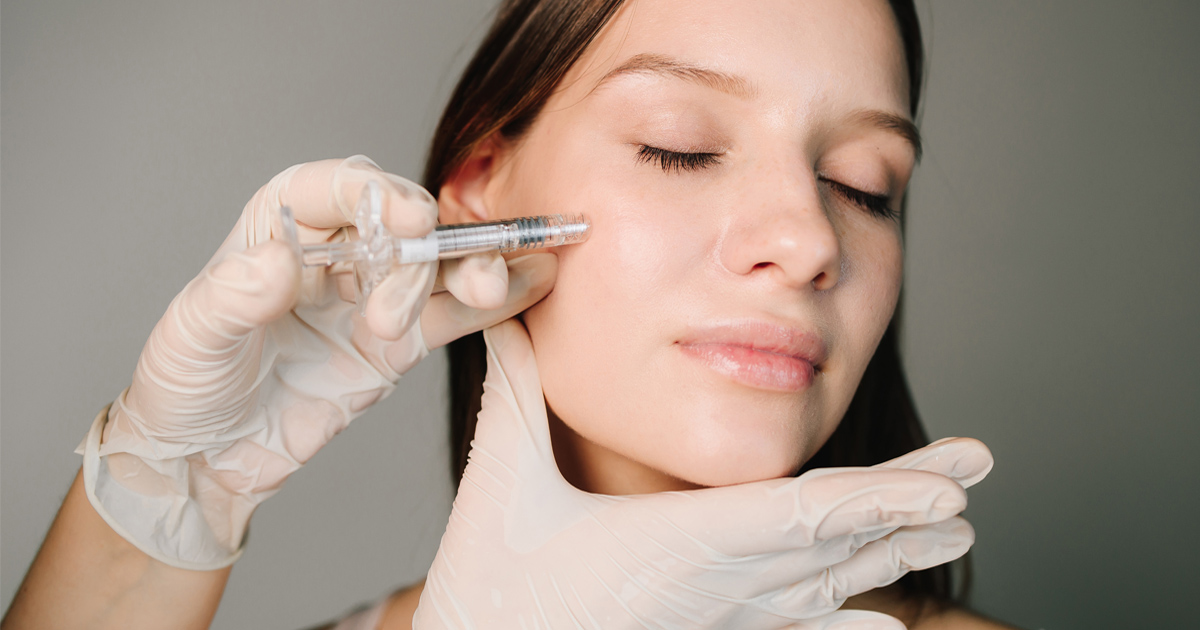
As facial tissues gradually lose support, certain areas begin to appear flatter or less defined. Injectable fillers are placed strategically beneath the skin to help support these areas and improve facial contours. Rather than stretching the skin, the treatment works by restoring volume where it has gradually diminished.
For example, adding subtle support to the cheeks may also soften the appearance of the folds around the nose and mouth because the surrounding tissues receive better structural support. This works because facial features are interconnected rather than functioning as isolated areas.
Treatment planning usually considers the face as a whole instead of focusing on a single line or wrinkle. Looking at facial proportions helps providers determine how much product, if any, may be appropriate while avoiding an overfilled appearance.
Many individuals also appreciate that improvements are often gradual. Smaller adjustments performed over time can allow your appearance to evolve naturally instead of changing dramatically after a single visit.
Realistic expectations are equally important. Cosmetic enhancement aims to refresh your appearance rather than stop the natural aging process. While fillers may improve facial contours, they cannot permanently prevent future volume loss.
4. Common Areas That May Benefit From Treatment
Different parts of the face may lose volume at different rates. This is one reason why treatment plans vary so much from person to person.
Some commonly treated areas include:
- The cheeks, where volume loss may reduce facial definition.
- The lips, for restoring fullness or improving balance.
- The nasolabial folds, which extend from the nose to the corners of the mouth.
- The marionette lines, which may become more noticeable over time.
- The chin and jawline, where additional support may improve overall facial proportions.
- The temples, which may appear hollow as facial fat naturally changes with age.
Not every area needs treatment, and many patients benefit from focusing on only one or two regions. During a consultation, your provider evaluates your facial anatomy, discusses your goals, and recommends an approach that supports balanced facial volume restoration rather than excessive correction.
If you’re interested in learning more about how treatment plans are personalized before any injections are performed, you can explore what to expect during a personalized filler consultation.
5. What to Expect Before, During, and After Treatment
Preparing for treatment begins with a consultation rather than an injection. During this appointment, your provider evaluates your medical history, examines your facial structure, discusses your aesthetic goals, and explains which options may be appropriate for your individual needs.
The procedure itself is usually completed during an office visit. Depending on the treatment areas, appointments may take less than an hour, although this can vary based on your personalized plan.
After treatment, you may notice mild swelling, tenderness, or bruising. These effects are common and often improve over several days. Your final results may not be immediately visible because temporary swelling can make treated areas appear fuller than expected.
Following aftercare instructions can help support a smoother recovery. Many providers recommend avoiding strenuous exercise, excessive heat, and unnecessary pressure on treated areas during the initial healing period.
It is also helpful to remember that every person’s healing response is different. Some people recover quickly with minimal swelling, while others may require additional time before the filler fully settles. Patience plays an important role in achieving realistic expectations.
6. How Long Results May Last
One of the most common questions people ask is how long fillers continue to provide visible improvement. The answer depends on several factors, including the type of product used, the treatment area, your metabolism, and your lifestyle.
Many hyaluronic acid fillers may last anywhere from 6 to 18 months, although individual experiences can vary. Areas of the face that move more frequently, such as the lips, may metabolize filler more quickly than areas with less movement, like the cheeks.
You might be wondering whether more filler automatically means longer-lasting results. Not necessarily. Larger amounts do not always produce better or longer-lasting outcomes. Instead, many providers recommend gradual maintenance that preserves facial balance while allowing adjustments over time.
Lifestyle factors may also influence longevity. Regular exercise, smoking, significant weight changes, and your body’s natural metabolism can all affect how quickly filler products are broken down.
Rather than viewing fillers as a permanent solution, it helps to think of them as part of an ongoing approach to non surgical facial rejuvenation. Maintenance appointments, when appropriate, allow your provider to evaluate your results and determine whether additional treatment may help you maintain your desired appearance.
7. Common Mistakes and Misconceptions
Making an informed decision begins with separating facts from common misconceptions. Many concerns surrounding fillers come from outdated information or unrealistic expectations rather than the treatment itself.
Here are several mistakes that are worth avoiding:
- Expecting immediate final results before swelling has resolved.
- Assuming every person needs the same amount of filler.
- Believing that more product always creates better results.
- Choosing treatment based only on price instead of qualifications and experience.
- Comparing your results directly with someone else’s facial anatomy.
Another misconception is that fillers completely stop the aging process. While they may improve facial contours and restore lost volume, they do not prevent your skin, fat, and bone structure from continuing to change over time.
It is also important to remember that cosmetic treatments are highly individualized. Your facial anatomy, skin quality, and aesthetic goals all influence the recommendations your provider makes. Taking a personalized approach often produces more balanced and natural-looking outcomes than trying to achieve dramatic changes in a single visit.
If you’re interested in seeing how careful treatment planning can support subtle cosmetic enhancement, you can also explore how subtle techniques help create balanced, natural-looking results.
8. Understanding Your Next Steps
Learning how fillers restore lost facial volume can help you feel more confident when exploring cosmetic treatment options. Understanding how aging affects facial structure, what fillers can realistically accomplish, and how treatment plans are personalized allows you to set practical expectations before scheduling a consultation.
The goal is rarely to make someone look like a different person. Instead, treatment often focuses on restoring facial balance while preserving the features that make you look like yourself.
Taking time to ask questions, discuss your goals, and understand the treatment process can help you make informed decisions alongside a qualified healthcare provider.
9. FAQ
Can fillers make my face look natural?
Yes, many treatment plans are designed to create subtle improvements that complement your natural facial features rather than dramatically changing your appearance. Conservative treatment combined with careful planning often produces balanced results. The outcome depends on factors such as facial anatomy, product selection, and injector technique.
How do fillers restore lost facial volume?
Fillers are placed beneath the skin to provide support in areas where natural volume has gradually decreased over time. This may improve facial contours and soften certain folds without changing your unique facial features. The exact approach varies based on your anatomy and treatment goals.
Are hyaluronic acid fillers permanent?
No. Hyaluronic acid fillers gradually break down naturally within the body over time. Maintenance treatments may be recommended if you wish to continue preserving your results, although every person’s timeline is different.
Is there downtime after treatment?
Most people are able to resume many normal daily activities shortly after treatment. Mild swelling, tenderness, or bruising may occur temporarily and often improves over several days. Following your provider’s aftercare recommendations may help support a smoother recovery.
How do I know if fillers are right for me?
A consultation allows your provider to evaluate your facial anatomy, discuss your concerns, and determine whether treatment aligns with your goals. Every treatment plan is individualized because no two faces age in exactly the same way. Asking questions during your consultation can help you better understand your available options.
Key Takeaways
- Facial volume naturally decreases with age because of collagen loss, fat redistribution, and changes in facial structure.
- Fillers may help restore facial contours while maintaining a natural appearance.
- Personalized treatment planning is an important part of achieving balanced results.
- Healing requires patience, and temporary swelling is a normal part of recovery.
- Maintenance treatments may be recommended because fillers are not permanent.
Continue Learning About Facial Rejuvenation
Understanding how fillers help restore lost facial volume is an important step toward making informed decisions about cosmetic treatment. Learning about the consultation process, treatment planning, and realistic expectations can help you feel more prepared before deciding whether treatment is right for you.
If you’d like to learn more about the procedure, common treatment areas, and what to expect during your appointment, explore this guide on dermal fillers and lip fillers.
Disclaimer
This article is intended for informational and educational purposes only and should not be considered medical advice. Individual results may vary depending on factors such as anatomy, treatment approach, product selection, and the body’s natural healing response. Always consult a qualified healthcare provider before undergoing cosmetic or injectable treatments.