
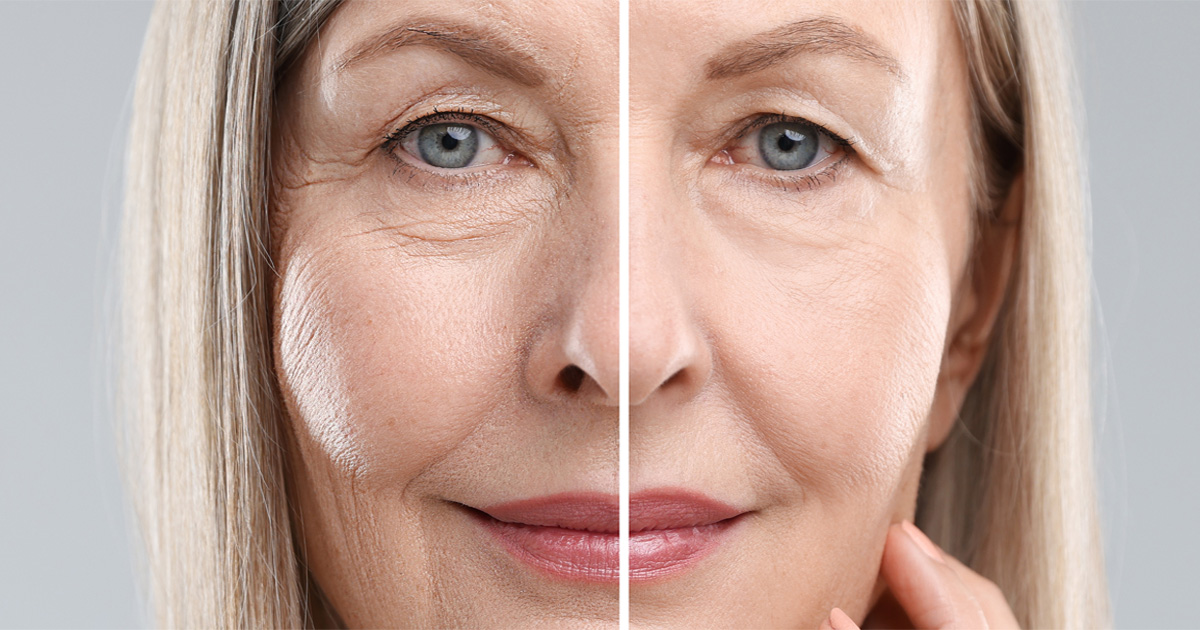
What Happens to Your Skin When You Stop Getting Botox?
Table of Contents
- 1. What Happens When You Stop Getting Botox?
- 2. Stopping Botox Treatments: Understanding the Changes
- 3. How Long Does Botox Take to Wear Off?
- 4. Why Does Facial Muscle Movement Return?
- 5. Will Wrinkles Get Worse After Stopping Botox?
- 6. Does Your Skin Sag When Botox Wears Off?
- 7. What Affects How Quickly Botox Results Fade?
- 8. What Might Your Face Look Like After Botox Wears Off?
- 9. FAQ
- 10. Key Takeaways
- 11. Understanding Your Options
- 12. Disclaimer
- 13. References
If you have been getting Botox for a while, you might wonder what will happen if you decide to stop. Will your wrinkles suddenly return? Could your skin look older than before? Or will your face gradually return to its usual appearance?
Stopping Botox Treatments does not mean your skin suddenly loses its ability to look smooth. Botox temporarily reduces the movement of certain facial muscles, so its cosmetic effects naturally fade over time.
You may notice expression lines becoming more visible again, particularly if you previously received injections to soften the appearance of forehead wrinkles.
Understanding what happens as the treatment wears off can help you separate normal changes from common misconceptions. Here’s what you should know about muscle movement, returning wrinkles, natural skin aging, and whether you need to continue treatment.
1. What Happens When You Stop Getting Botox?
The most important thing to understand is that Botox does not permanently change how your facial muscles work.
Botox is a brand of botulinum toxin used to temporarily reduce muscle activity. When injected into selected facial muscles, it can soften expression lines that become noticeable when you smile, frown, or raise your eyebrows.
If you stop receiving injections, the treatment gradually loses its effect. The muscles that were temporarily relaxed begin moving more normally again.
As that movement returns, you may notice familiar expression lines becoming more visible. This usually happens gradually rather than overnight.
For example, if you previously had Botox between your eyebrows, you might notice those muscles becoming more active when you concentrate or squint. Lines that looked softer during treatment may become easier to see.
The key point is that stopping treatment allows muscle activity to return. It does not automatically mean your skin has been damaged.
You also do not need to make an immediate decision about restarting treatment. Taking a break gives you an opportunity to see how your face looks and feels without the temporary effects of the injections.
2. Stopping Botox Treatments: Understanding the Changes
When Botox is active, it interferes with the nerve signals that normally tell certain muscles to contract.
This is why treated areas may appear smoother. The muscles are not producing the same repeated movements that contribute to dynamic wrinkles.
As the treatment wears off, nerve signaling and muscle activity gradually recover. Your facial expressions may become more noticeable, and lines associated with those expressions can return.
According to the American Academy of Dermatology, the cosmetic effects of botulinum toxin are temporary, and wrinkles generally return as the treatment’s effects fade.
This does not mean every wrinkle will look exactly as it did before your first appointment.
Your skin continues to change with age, regardless of whether you receive cosmetic injections. Factors such as sun exposure, genetics, and changes in skin elasticity can influence your appearance over time.
Imagine receiving regular treatment for several years and then deciding to stop. Your face may look different from photographs taken before your first injection because several years have passed, not necessarily because stopping Botox caused those changes.
Understanding that distinction can help you evaluate your appearance without assuming that every returning line is a negative consequence of discontinuing treatment.
3. How Long Does Botox Take to Wear Off?
Botox does not have a single expiration date when every treated muscle suddenly starts moving again.
For cosmetic treatment, visible results commonly last around three to four months, although the duration varies.
Some people notice movement returning sooner. Others may continue seeing a degree of wrinkle reduction beyond that general timeframe.
The Cleveland Clinic explains that botulinum toxin injections temporarily affect muscle activity and that results typically last several months.
You may first notice subtle changes when making facial expressions. For example, your eyebrows might move more freely, or a familiar crease may begin appearing when you frown.
Over the following weeks, the treated muscles may regain more of their usual activity.
This process is different from suddenly losing all treatment benefits at once. It is often gradual enough that you may not recognize the changes until you compare your appearance over time.
Rather than expecting your results to disappear on a particular date, consider the usual duration a general guide.
Your own experience may depend on the product used, treatment area, dosage, muscle activity, and individual response.
4. Why Does Facial Muscle Movement Return?
Your facial muscles receive signals from nerves that tell them when to contract.
Botulinum toxin temporarily blocks the release of a chemical messenger involved in that communication. This reduces activity in the injected muscles.
Over time, the effect diminishes as nerve-to-muscle communication recovers.
That recovery allows your muscles to contract more normally again.
You might notice that you can raise your eyebrows more noticeably, frown with greater movement, or make expressions that felt more limited while the treatment was active.
These changes are generally expected.
Botox does not permanently remove the muscles responsible for your expressions. It temporarily changes how strongly selected muscles respond to nerve signals.
This also explains why routine aftercare and long-term treatment duration are different subjects.
Following recommended care after cosmetic injections can help you understand what to do shortly after an appointment, but it does not make the treatment’s effects permanent.
If you are concerned about an unusual change in muscle movement, especially persistent weakness or an unexpected facial asymmetry, a qualified healthcare professional can evaluate your symptoms.
5. Will Wrinkles Get Worse After Stopping Botox?
One of the most common concerns about discontinuing Botox is whether wrinkles will become deeper than they were before treatment.
Stopping Botox does not inherently cause wrinkles to become worse than they otherwise would have been.
However, there is an important difference between returning expression lines and the natural changes that happen as your skin ages.
Dynamic wrinkles develop when facial muscles repeatedly contract. You may notice them when you smile, squint, or raise your eyebrows.
Over time, some of these lines can become visible even when your face is relaxed.
Botox temporarily reduces the muscle activity contributing to certain expression lines. When that effect fades, repeated movement resumes, and those lines may become more noticeable again.
Meanwhile, your skin continues its natural aging process.
For example, suppose you began Botox at age 35 and stopped at age 40. Your face may not look identical to how it looked five years earlier.
That difference does not automatically mean Botox made your wrinkles worse. Skin elasticity, sun exposure, and other age-related changes may have occurred during those five years.
It is also possible that a smoother treated appearance became familiar to you. When your original facial movement returns, the contrast may make lines seem more noticeable than expected.
Try to evaluate changes over time rather than assuming that returning wrinkles indicate a problem.
6. Does Your Skin Sag When Botox Wears Off?
You might have heard that stopping Botox makes your skin sag because the muscles have become dependent on injections.
That is not an accurate description of how Botox works.
Botox temporarily affects selected muscles. It does not replace the structural support provided by collagen, elastin, facial fat, and other tissues.
When its effects fade, muscle activity returns. This does not inherently cause your skin to suddenly lose firmness.
However, skin laxity can develop naturally over time.
As you age, changes in collagen, elasticity, facial volume, and tissue support can affect how firm your skin appears.
These processes continue whether or not you receive Botox.
It is also worth remembering that Botox primarily addresses certain muscle-related expression lines. It is not a treatment for every type of wrinkle or every cause of loose skin.
If you notice new sagging, the cause may be unrelated to stopping injections.
A qualified provider can help distinguish returning muscle movement from changes involving skin texture, facial volume, or tissue support.
Understanding the underlying cause matters because different concerns may require different approaches.
7. What Affects How Quickly Botox Results Fade?
Not everyone experiences Botox wearing off at the same pace.
Several factors can influence how long the visible effects last.
The product and treatment plan matter. Different botulinum toxin formulations have their own dosing characteristics and expected durations. The amount administered and the muscles treated can also affect the result.
Your individual response matters, too. Muscle characteristics, treatment history, and other personal factors may influence how the effects change over time.
For example, someone receiving injections for strong frown lines may notice returning movement differently from someone receiving treatment for smaller lines around the eyes.
The areas being treated can also influence how obvious fading appears.
You may notice eyebrow movement returning before you pay much attention to smaller expression changes elsewhere.
This does not necessarily mean the treatment was unsuccessful or that your body is responding abnormally.
It simply reflects the fact that cosmetic injectables do not produce identical experiences for everyone.
If you have previously received treatment, your provider can explain the product used and discuss what duration would be reasonable to expect.
Avoid comparing your results too closely with someone else’s timeline. Your treatment history and facial anatomy are individual.
8. What Might Your Face Look Like After Botox Wears Off?
Your appearance after Botox wears off depends on your natural facial features, the areas previously treated, and how your skin has changed over time.
For many people, the most noticeable difference is increased facial movement.
You may see forehead lines when raising your eyebrows, creases between your eyebrows when frowning, or lines around your eyes when smiling.
These expressions are normal parts of how your face communicates.
If you had treatment regularly, the return of movement may feel unfamiliar at first.
You might also notice that some fine lines and wrinkles remain visible even when your face is relaxed.
That does not necessarily mean stopping treatment caused them. Static wrinkles can be influenced by natural skin aging and cumulative environmental exposure.
A helpful approach is to observe your appearance without feeling that every returning line requires correction.
If you are considering treatment again, exploring individualized options for reducing expression lines may help you understand the questions to discuss with a qualified provider.
You can also choose not to resume injections.
There is no requirement to continue cosmetic treatment indefinitely simply because you have received it before.
9. FAQ
Will my face return to normal after stopping Botox?
As the treatment wears off, your facial muscles generally regain their usual activity. Your appearance may move closer to how it looked without treatment, although natural aging means it may not look exactly like an older photograph.
Can stopping Botox cause more wrinkles?
Stopping Botox does not inherently create extra wrinkles. Expression lines can become more visible as muscle movement returns, while normal aging and environmental factors may continue affecting your skin independently.
How long does it take for Botox to completely wear off?
Cosmetic results commonly last around three to four months, but the timing varies. Muscle activity may return gradually, and some people notice changes earlier or later than that general range.
Can you stop Botox after years of treatment?
Yes. Botox is an elective cosmetic treatment, and you can decide not to continue it. The effects generally fade over time, allowing treated muscles to regain activity. Discuss any unusual or persistent symptoms with a healthcare professional.
Can you restart Botox after taking a break?
Many people can consider treatment again after a break, but suitability depends on their health, treatment history, goals, and clinical assessment. A qualified provider can review the available options and explain relevant risks.
Key Takeaways
Stopping Botox does not mean your skin suddenly becomes damaged or ages faster. The main change is that the treatment’s temporary effect on facial muscle activity gradually fades.
Here are the important points to remember:
Botox results commonly last several months, and facial expressions gradually return as the treatment wears off.
Expression lines may become more visible again, but stopping treatment does not inherently make wrinkles worse.
Natural skin aging continues regardless of whether you receive cosmetic injections.
Returning muscle movement and developing skin laxity are different processes.
You can choose to pause, discontinue, or discuss resuming treatment based on your preferences and individual circumstances.
The most useful approach is to understand what Botox can and cannot do, then make decisions based on your current concerns rather than feeling obligated to maintain a particular schedule.
Understanding Your Options
Letting Botox wear off is a reasonable choice, and returning facial movement does not automatically mean you need another appointment.
If you are happy with your appearance, you may decide to leave things as they are. If certain expression lines bother you, a qualified provider can help you understand whether additional treatment would be appropriate.
Learning about neurotoxin treatment can also help you compare available options and prepare questions about expected results, duration, and risks.
The goal is to make an informed decision that fits your preferences, not to follow a treatment schedule simply because you started one.
Disclaimer
This article is for educational purposes only and is not medical advice. Botox results, treatment duration, and individual responses vary. Consult a qualified healthcare professional for personalized guidance, particularly if you experience unusual or concerning symptoms.