
What Treatments Can Help Stimulate Natural Collagen Production?
Table of Contents
- 1. Why Collagen Matters for Healthy-Looking Skin
- 2. Collagen Stimulation Treatment
- 3. What Causes Collagen Production to Decline?
- 4. Which Treatments May Help Support Natural Collagen Production?
- 5. What Can You Expect During Treatment?
- 6. How Long Does It Take to Notice Results?
- 7. How to Support Collagen Between Treatments
- 8. Common Misconceptions About Collagen-Boosting Treatments
- 9. Understanding Your Next Steps
- 10. FAQ
- 11. Key Takeaways
- 12. Continue Learning About Your Skin Rejuvenation Options
- 13. Disclaimer
- 14. References
Have you ever wondered why your skin doesn’t feel as smooth, firm, or youthful as it once did? While aging is a natural part of life, one of the biggest reasons these changes occur is a gradual decline in collagen. Collagen Stimulation Treatment has become an increasingly popular topic because it focuses on supporting your body’s natural ability to rebuild collagen instead of simply covering the visible signs of aging.
If you’re beginning your research, it may be helpful to learn how this approach may improve skin texture, firmness, and other common skin concerns before exploring the different treatments available. Understanding how collagen works can help you make more informed decisions about your skincare routine and know what to realistically expect from modern skin rejuvenation procedures.
In this guide, you’ll learn why collagen is important, what causes it to decline over time, which treatments may help encourage natural collagen production, and how healthy habits can support your skin long after treatment.
1. Why Collagen Matters for Healthy-Looking Skin
Collagen is often described as the framework that helps keep your skin strong, smooth, and resilient. It is the most abundant protein in your body and plays a major role in maintaining skin firmness while supporting its natural healing process. Together with elastin, collagen helps your skin stretch, recover, and maintain a youthful appearance.
When you’re younger, your body produces collagen efficiently. Small cuts heal more quickly, your skin feels firmer, and facial contours appear naturally supported. As you get older, however, collagen production gradually slows. This is one reason you may begin noticing fine lines, reduced elasticity, uneven skin texture, or skin that simply doesn’t look as refreshed as it once did.
Environmental factors can accelerate this process. Years of sun exposure, smoking, poor nutrition, chronic stress, and insufficient sleep all affect your skin’s ability to repair itself. While you cannot completely stop collagen loss, understanding why it happens allows you to take steps that support healthier skin over time.
Many people assume collagen loss only affects older adults, but subtle changes often begin much earlier. Protecting your skin before these changes become more noticeable may help maintain healthier-looking skin for longer.
2. Collagen Stimulation Treatment
Unlike cosmetic treatments that create temporary improvements on the surface, Collagen Stimulation Treatment focuses on encouraging your body to rebuild collagen naturally. Instead of masking skin concerns, these procedures activate your skin’s natural healing response, allowing gradual improvements to develop from within.
When controlled stimulation occurs beneath the skin’s surface, your body responds by producing new collagen and elastin fibers. This process is known as collagen remodeling, and it continues long after the treatment itself has been completed. As collagen gradually develops, many people notice smoother skin, improved texture, and firmer-looking facial contours.
Because this process depends on your body’s natural healing response, patience is important. Results usually appear gradually instead of overnight, making improvements look softer and more natural over time.
According to the American Academy of Dermatology (AAD), microneedling encourages the skin’s natural healing process, helping stimulate new collagen formation that may improve acne scars, fine lines, uneven skin tone, and overall skin texture.
Every person’s skin responds differently. Your age, lifestyle, existing skin condition, and treatment plan all influence how quickly collagen develops and how noticeable your improvements become.
3. What Causes Collagen Production to Decline?
Although aging is the primary reason collagen decreases, it is not the only factor. Your daily habits and environment also influence how well your skin maintains its natural structure.
One of the biggest contributors is ultraviolet radiation from the sun. Years of repeated sun exposure gradually break down collagen fibers faster than your body can replace them. This process contributes to wrinkles, uneven pigmentation, and reduced skin elasticity.
Lifestyle choices also matter. Smoking decreases blood flow to the skin, making it more difficult for tissues to receive oxygen and nutrients needed for repair. Poor nutrition, inadequate hydration, and chronic stress may also reduce your body’s ability to maintain healthy skin.
Hormonal changes throughout adulthood can also influence collagen production. Many people notice that their skin becomes thinner or less firm during periods of hormonal transition because collagen production naturally slows.
Genetics play a role as well. Some people naturally maintain firmer skin longer than others, while some experience visible changes earlier in life despite following healthy skincare habits.
Understanding these factors helps explain why maintaining healthier-looking skin usually involves both professional care and consistent daily habits rather than relying on a single treatment.
4. Which Treatments May Help Support Natural Collagen Production?
There is no single treatment that works for everyone. The most appropriate option depends on your skin concerns, overall skin health, and the results you hope to achieve. A professional consultation helps determine which approach is most appropriate for your individual needs.
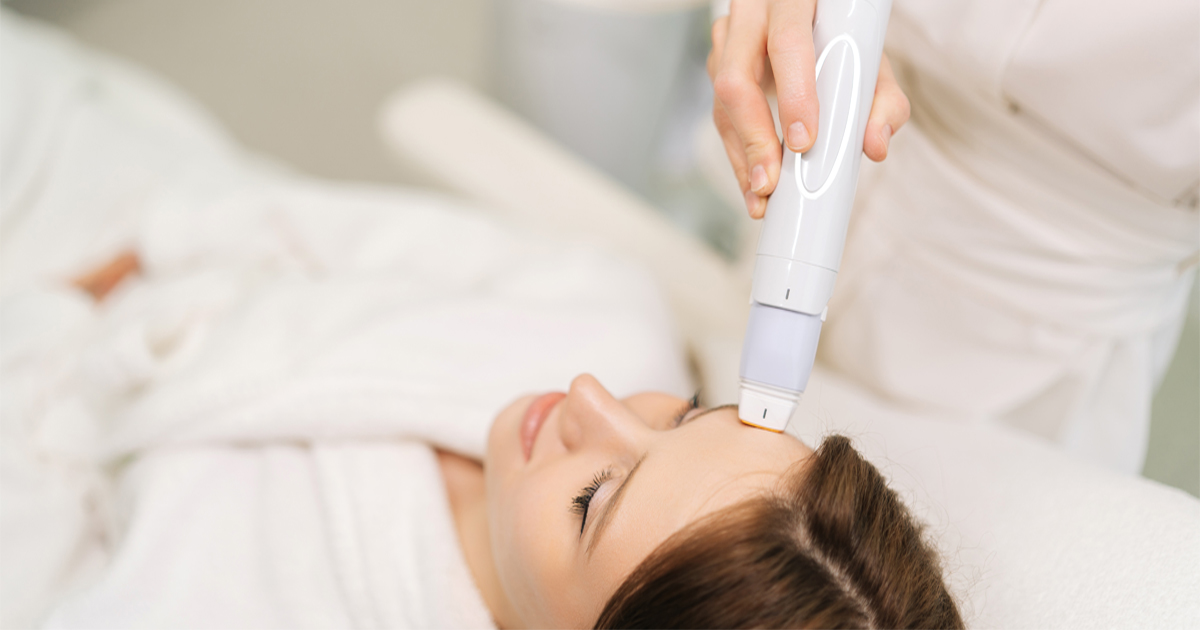
One commonly recommended option is radiofrequency microneedling, which combines tiny sterile needles with controlled radiofrequency energy to encourage collagen production beneath the skin’s surface. This approach may improve skin texture improvement, support skin tightening treatment goals, and reduce the appearance of acne scars while promoting gradual skin renewal.
Other procedures may also stimulate collagen through different mechanisms. Certain laser treatments encourage tissue repair using controlled heat, while some chemical peels promote healthier skin by accelerating natural cell turnover. Depending on your individual goals, your provider may recommend one treatment or a combination of procedures.
If you’re comparing different approaches, it can also be helpful to understand how radiofrequency technology differs from traditional microneedling methods before deciding which option may best fit your skincare goals.
While professional procedures can encourage collagen production, they work best when combined with healthy daily habits. Protecting your skin from excessive sun exposure, following a personalized skincare routine, eating a balanced diet, and staying hydrated all contribute to healthier-looking skin over time.
5. What Can You Expect During Treatment?
Although every collagen-focused procedure is different, most begin with a consultation. During this visit, your provider will discuss your skin concerns, review your medical history, evaluate your skin, and recommend a personalized treatment plan based on your goals.
Many modern procedures are minimally invasive and can often be completed during an office visit. Depending on the treatment selected, you may experience temporary redness, mild swelling, or sensitivity afterward. These reactions are typically part of your skin’s normal healing process and often improve within a few days.
One of the biggest advantages of treatments that encourage collagen production is that the results develop naturally. Instead of creating dramatic changes immediately after your appointment, your skin gradually rebuilds collagen over the following weeks, leading to improvements that often appear refreshed rather than overdone.
Your provider may also recommend multiple treatment sessions depending on your concerns. For example, someone looking to improve acne scars may require a different treatment schedule than someone focused primarily on improving skin firmness or fine lines.
6. How Long Does It Take to Notice Results?
Patience is an important part of any treatment designed to stimulate collagen. Since your body needs time to produce new collagen fibers, improvements usually appear gradually rather than immediately.
Some people begin noticing subtle improvements within several weeks, while others continue seeing changes over the following months. The exact timeline depends on factors such as your age, skin condition, lifestyle, and the type of treatment you receive.
If multiple treatment sessions are recommended, each session builds upon the previous one by continuing to support your skin’s natural healing process. Because collagen remodeling occurs over time, many people appreciate that their results develop gradually instead of looking sudden or artificial.
Research published by the National Library of Medicine (PubMed Central) explains that microneedling promotes collagen remodeling and has demonstrated benefits for improving skin texture, acne scars, and visible signs of aging through the body’s natural healing response.
Having realistic expectations helps you better appreciate the gradual improvements that occur throughout the healing process.
7. How to Support Collagen Between Treatments
Professional procedures work best when supported by healthy everyday habits. Although no skincare routine can completely prevent collagen loss, taking care of your skin consistently may help maintain your results for longer.
Simple daily practices such as protecting your skin from excessive sun exposure, wearing sunscreen, staying hydrated, eating nutrient-rich foods, and following a personalized skincare routine all contribute to healthier-looking skin. These habits support your skin’s overall health while complementing professional skin rejuvenation treatment options.
It’s also important to remember that your skin continues changing throughout your life. Adjusting your skincare routine as your needs change can help you maintain healthier skin over the long term.
8. Common Misconceptions About Collagen-Boosting Treatments
Because collagen-focused procedures have become increasingly popular, it’s easy to come across misleading information online. Understanding the facts can help you make more informed decisions.
Some people believe results should appear immediately after treatment. In reality, collagen production is a gradual biological process that takes time.
Others assume one treatment works for every skin concern. Different procedures are designed for different goals, which is why personalized recommendations are so important.
Another common misconception is that professional procedures eliminate the need for daily skincare. Healthy habits remain an important part of supporting your skin between treatments.
Learning about the differences between available procedures can also help you understand why one option may be recommended over another for your particular concerns.
9. Understanding Your Next Steps
Learning how collagen supports your skin is only the beginning. Once you understand why collagen declines and how different treatments work, you can have more productive conversations about your skincare goals and treatment options.
If you’d like to learn more about what the treatment experience involves, you can explore what to expect during an RF microneedling consultation. Understanding the consultation process can help you prepare for your visit and better understand how a personalized treatment plan is developed.
10. FAQ
What is collagen, and why is it important?
Collagen is a structural protein that helps keep your skin firm, smooth, and resilient. As natural collagen production slows over time, you may notice fine lines, reduced elasticity, and changes in skin texture. Supporting collagen production is one way many skin rejuvenation treatments work to improve overall skin quality.
Which treatments may help stimulate collagen production?
How long do collagen-focused treatments last?
Can healthy habits support collagen production?
Is professional treatment necessary for everyone?
Not always. Every person’s skin is different, and treatment recommendations depend on your concerns, goals, and overall skin health. A consultation with a qualified provider can help determine whether a professional procedure is appropriate for you.
Key Takeaways
- Collagen helps maintain your skin’s strength, firmness, and elasticity.
- Natural collagen production gradually decreases as part of the aging process.
- Professional treatments may encourage collagen remodeling through your body’s natural healing response.
- Healthy skincare habits work together with professional treatments to support long-term skin health.
- Understanding realistic expectations helps you make informed decisions about your skincare journey.
Continue Learning About Treatments That Support Healthier Skin
Healthy-looking skin develops over time through consistent care, realistic expectations, and treatments that work with your body’s natural healing process. Understanding how collagen supports your skin allows you to make more informed decisions about the options that may be appropriate for your individual concerns.
If you’re interested in learning more about Microneedling with RF and how it may support collagen production, skin texture, and overall skin rejuvenation, exploring the treatment process can help you better understand what to expect before deciding whether it aligns with your goals.
Disclaimer
This article is for informational and educational purposes only and should not be considered medical advice. Individual cosmetic results may vary depending on anatomy, treatment approach, healing response, and other personal factors. Always consult a qualified medical provider before undergoing injectable or aesthetic procedures.