
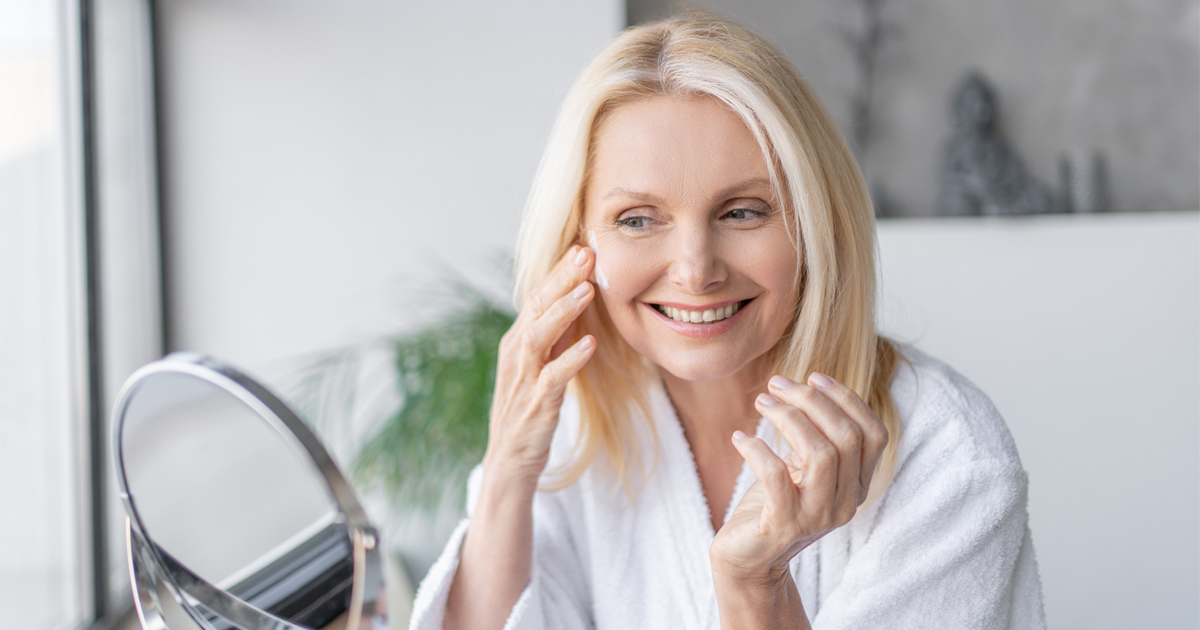
How Should You Care for Your Skin After Microneedling With RF?
Published: August 2, 2026
Table of Contents
- 1. Why Proper Aftercare Matters
- 2. RF Microneedling Aftercare
- 3. What to Expect During the Healing Process
- 4. Daily Habits That Support Healthy Skin Recovery
- 5. Common Mistakes to Avoid After Treatment
- 6. When to Contact Your Provider
- 7. Understanding Your Next Steps
- 8. FAQ
- 9. Key Takeaways
- 10. Continue Your Skin Rejuvenation Journey
- 11. Disclaimer
- 12. References
If you’ve recently scheduled a treatment or are recovering from one, you’re probably wondering what you should and shouldn’t do once you get home. RF Microneedling Aftercare is an important part of protecting your skin while it recovers and supporting the natural healing process that follows treatment. Although the procedure itself stimulates your body’s repair response, your daily skincare habits afterward can influence how comfortable your recovery feels. If you’d like to better understand how collagen-stimulating treatments support healthier-looking skin before learning about recovery, that guide explains why treatments like RF microneedling are designed to encourage gradual skin renewal.
In this guide, you’ll learn what typically happens after treatment, how to care for your skin during recovery, common mistakes to avoid, and when it’s appropriate to contact your provider.
1. Why Proper Aftercare Matters
Every cosmetic treatment has two important phases: the procedure itself and the recovery that follows. While much of the attention is often placed on the treatment, the healing period gives your skin time to respond to the controlled micro-injuries created during the procedure.
RF microneedling works by creating tiny channels in the skin while delivering controlled radiofrequency energy beneath the surface. This process activates your body’s natural healing response, encouraging collagen production and tissue remodeling over time. Because these biological processes continue well after your appointment, giving your skin the opportunity to recover is just as important as the treatment itself.
Immediately afterward, your skin may temporarily become more sensitive than usual. The protective skin barrier is working to repair itself, making this an important time to avoid unnecessary irritation from harsh skincare products or environmental factors.
According to the U.S. Food and Drug Administration (FDA), patients should understand both the potential benefits and possible risks of microneedling devices and receive treatment from appropriately trained healthcare professionals. Following the aftercare instructions provided by your healthcare provider is an important part of supporting a safe recovery.
It’s also worth remembering that healing isn’t identical for everyone. Your age, skin type, medical history, lifestyle, and even the intensity of your treatment can all influence how quickly your skin settles. Some people notice that redness fades within a day or two, while others may experience mild sensitivity for several days.
Instead of expecting immediate results, it helps to view recovery as part of the overall treatment process. Your skin continues working beneath the surface long after visible redness begins to improve.
2. RF Microneedling Aftercare
Knowing what to expect during recovery can make the days following treatment feel much less stressful. While every provider may give slightly different instructions based on your skin and treatment plan, most recommendations focus on protecting your skin while allowing it to heal naturally.
The First 24 Hours
The first day is usually when your skin feels the most sensitive.
You may notice temporary:
- Mild redness
- Warmth
- Tightness
- Light swelling
- Increased skin sensitivity
These effects are considered common and often improve as your skin begins repairing itself.
During this stage, keeping your skincare routine simple is usually the best approach. A gentle cleanser, a provider-approved moisturizer, and adequate skin hydration can help keep your skin comfortable without adding unnecessary irritation.
Many providers also recommend avoiding activities that create excessive heat or sweating during this period because elevated temperatures may temporarily increase redness.
The First Several Days
As redness begins to improve, your skin may start feeling dry or slightly rough. Some individuals experience light flaking while older surface cells naturally shed.
Although it can be tempting to exfoliate, allowing this process to happen naturally is generally recommended. Scrubbing or picking at your skin too early may interfere with your post-treatment skincare routine and increase irritation.
Protecting your skin from unnecessary sun exposure also becomes especially important during this stage. Because your skin may be more sensitive than usual, appropriate sun protection helps reduce additional stress while your skin continues recovering.
The Weeks Ahead
One of the most common questions people ask is when they’ll begin seeing visible improvements.
The answer depends on your individual skin, treatment goals, and your body’s natural healing process. While your skin may appear brighter once the initial redness resolves, the deeper processes involved in collagen remodeling continue gradually over time.
Rather than expecting dramatic overnight changes, most improvements become more noticeable as your skin naturally renews itself over the following weeks.
3. What to Expect During the Healing Process
Knowing what may happen during the first few days can make recovery feel much less uncertain. Your experience will depend on factors such as your skin, the treatment performed, and the instructions provided by your healthcare professional, but some temporary reactions are commonly expected after microneedling.
Temporary Redness and Swelling
Redness is one of the most common responses after treatment and may look similar to a mild sunburn. You may also notice some swelling or tenderness while your skin begins its natural healing process.
The American Academy of Dermatology (AAD) explains that redness and swelling after microneedling can last for up to five days. Your experience may be shorter or longer, so this timeframe should be viewed as general guidance rather than a guarantee of how quickly your skin will recover.
As the redness settles, your skin may still feel more sensitive than usual. Following the instructions provided after your treatment is more appropriate than trying to compare your recovery with someone else’s timeline.
Dryness and Sensitivity
Your skin may temporarily feel dry, tight, or rough as it recovers. Some people also notice mild flaking as the surface of the skin settles.
This is generally not the time to aggressively exfoliate or introduce several new skincare products. A gentle skincare routine can help you avoid unnecessary irritation while your skin barrier continues to recover.
If your provider recommends a particular cleanser or moisturizer, follow those instructions rather than assuming your normal products are appropriate immediately after treatment.
Returning to Makeup
You might also be wondering how quickly you can return to your usual makeup routine.
The AAD notes that makeup can generally be applied 24 hours after microneedling. However, that recommendation applies to microneedling broadly, and your individual instructions may differ depending on the treatment performed and how your skin responds.
If your skin remains particularly irritated or sensitive, follow your provider’s recommendations rather than using the 24-hour timeframe as a strict deadline.
Gradual Skin Improvements
Another important part of recovery is understanding that the first few days don’t represent your final outcome. Once the initial redness and swelling improve, changes related to skin rejuvenation, skin texture, and skin firmness may continue developing gradually.
This happens because the biological response initiated during treatment does not stop when the visible signs of treatment disappear. Collagen remodeling takes place over time, which is one reason evaluating your results too early can give you an incomplete picture.
If you’re interested in understanding the skin concerns RF microneedling is commonly used to address, learning about the treatment’s intended benefits can provide useful context for why results are generally evaluated over time rather than immediately afterward.
4. Daily Habits That Support Healthy Skin Recovery
You don’t need an elaborate skincare routine after treatment. In fact, keeping things simple can be helpful while your skin is sensitive and recovering. The goal during this period is to avoid unnecessary irritation and give your skin time to restore its normal barrier function.
Keep Your Skincare Routine Gentle
Your regular routine may include active ingredients, exfoliants, or several different products, but the days immediately after treatment aren’t necessarily the best time to use everything in your cabinet.
Follow your provider’s instructions about when to cleanse your face and which skincare products are appropriate. When cleansing is recommended, avoid aggressive scrubbing or rubbing. Treating your skin gently can help minimize additional irritation while the surface continues to recover.
The same principle applies when drying your face. Instead of rubbing your skin with a towel, gently pat it dry with a clean towel if your provider has advised that normal cleansing can resume.
Support Your Skin With Moisture
Temporary dryness and tightness can occur during recovery, so keeping your skin comfortable may become an important part of your post-treatment skincare routine.
If your provider recommends a moisturizer, use it according to their instructions. Avoid assuming that every moisturizing product you normally use is automatically appropriate immediately after treatment, especially if it contains fragrances, exfoliating ingredients, or other potentially irritating actives.
Maintaining adequate skin hydration can also support general skin health, but drinking extra water should not be viewed as a shortcut for faster healing or better treatment results.
Be Consistent With Sun Protection
Protecting recovering skin from unnecessary ultraviolet exposure is another important consideration. Your provider can tell you when sunscreen should be resumed and which type is appropriate for your skin after treatment.
When advised, using a broad-spectrum sunscreen and limiting unnecessary direct sun exposure can become part of your daily routine. Physical protection, such as seeking shade or wearing a hat when appropriate, may also help reduce sun exposure.
Remember that sun protection isn’t just something to think about during the first day of recovery. Consistent protection is an important part of maintaining healthy-looking skin over the long term.
Give Your Skin Time
Perhaps the easiest mistake to make is trying to speed up a process that naturally takes time.
You may notice redness improving before your skin feels completely back to normal. That doesn’t necessarily mean it’s time to immediately restart exfoliation, strong active ingredients, or every step of your usual skincare routine.
Follow the timeline recommended by your provider and pay attention to how your skin responds. If something causes unexpected burning, discomfort, or irritation, stop using it and ask your provider for guidance rather than trying to push through the reaction.
Your recovery doesn’t need to look exactly like someone else’s. A simple routine, appropriate sun protection, and patience can help you care for your skin without interfering unnecessarily with its natural healing response.
5. Common Mistakes to Avoid After Treatment
Most people want to do everything they can to support a smooth recovery, but even well-intentioned habits can sometimes work against the healing process. Understanding what to avoid is just as important as knowing what you should do.
One common mistake is returning to your normal skincare routine too quickly. Products containing exfoliating acids, retinoids, or strong active ingredients may be beneficial at the appropriate time, but introducing them before your skin has recovered can increase irritation and discomfort.
Another mistake is spending too much time in direct sunlight. Even after visible redness begins to fade, your skin may still be more sensitive than usual. Protecting your skin from unnecessary ultraviolet exposure and following your provider’s recommendations for sunscreen use can help reduce additional stress while your skin continues healing.
Some people also become discouraged if they don’t notice immediate changes. It’s important to remember that treatment results develop gradually. The biological processes responsible for new collagen formation continue beneath the surface well after your appointment, so improvements often appear over time rather than all at once.
Touching, rubbing, or picking at your skin is another habit worth avoiding. Even if your skin begins to flake or feels slightly rough, allowing the natural healing process to continue without interruption is generally the better approach.
Finally, avoid comparing your recovery with someone else’s experience. Your age, skin type, treatment settings, overall health, and individual healing response all influence how your skin recovers. While online experiences can be interesting to read, your provider’s guidance should always take priority because it’s based on your unique situation.
6. When to Contact Your Provider
Although temporary redness, mild swelling, dryness, and sensitivity are expected parts of recovery, there are situations where contacting your provider is the appropriate next step.
If you notice symptoms that continue getting worse instead of gradually improving, it’s worth reaching out for guidance. Increasing pain, significant swelling, drainage, fever, or other unexpected changes should always be discussed with the healthcare professional who performed your treatment.
Fortunately, serious complications are uncommon when procedures are performed by qualified providers using appropriate techniques. Even so, asking questions when something doesn’t seem right is never an overreaction.
Every person’s recovery is different, and your provider is the best resource for determining whether your healing is progressing as expected. Rather than relying on advice from social media or online forums, personalized guidance based on your medical history and treatment plan is far more reliable.
7. Understanding Your Next Steps
Recovering from RF microneedling isn’t about achieving perfect skin overnight. Instead, it’s about giving your skin the time and support it needs to complete its natural healing process.
Staying consistent with a gentle skincare routine, protecting your skin from unnecessary irritation, and following your provider’s recommendations can help create an environment that supports healthy recovery. While visible improvements often take time, patience is an important part of setting realistic expectations.
Learning more about the treatment process can also help you feel more confident before future sessions. If you’re continuing your research, it can be helpful to understand how providers evaluate your skin, develop treatment recommendations, and explain what to expect before your appointment.
FAQ
What should you avoid after RF microneedling?
During the initial recovery period, most providers recommend avoiding harsh skincare products, prolonged sun exposure, strenuous exercise, hot tubs, saunas, and unnecessary touching of the treated area. Your provider’s aftercare instructions should always take priority.
How long does recovery usually take?
Many people notice that redness and sensitivity improve within a few days, while deeper collagen remodeling continues over several weeks or months. Recovery timelines vary from person to person.
When can you wash your face after treatment?
The appropriate time depends on your provider’s instructions and your individual treatment plan. In many cases, gentle cleansing is recommended after the initial recovery period using mild, non-irritating skincare products.
Can you wear makeup after RF microneedling?
Most providers recommend waiting until your skin has recovered sufficiently before applying makeup. Applying cosmetics too soon may increase irritation while your skin barrier is still healing.
How many treatments are usually recommended?
The number of treatments depends on your skin concerns, treatment goals, and your provider’s recommendations. Some individuals benefit from a series of treatments, while others choose maintenance sessions over time.
Key Takeaways
- Recovery is an important part of achieving the best possible outcome after treatment.
- Temporary redness, dryness, and mild swelling are common during the healing process.
- A gentle skincare routine and appropriate sun protection help support skin recovery.
- Visible improvements develop gradually as collagen remodeling continues beneath the surface.
- Following your provider’s aftercare instructions is one of the best ways to support healthy healing.
Continue Your Skin Rejuvenation Journey
Learning how to care for your skin after treatment can help you feel more confident throughout the recovery process. If you’d like to continue your research before deciding whether treatment is right for you, you can also explore what to expect during an RF microneedling consultation and treatment process to better understand how treatment plans are developed and what typically happens before, during, and after an appointment.
When you’re ready to learn more about your treatment options, explore Microneedling with RF to understand how the procedure works, who may be a good candidate, and what to expect during a consultation.
Disclaimer
This article is intended for educational and informational purposes only and should not be considered medical advice. Individual recovery experiences and treatment results vary based on factors such as skin type, medical history, treatment settings, and the body’s natural healing response. Always consult a qualified healthcare professional for personalized recommendations before undergoing cosmetic procedures or making decisions about your skincare routine.