What to Expect Before and After an RF Microneedling Treatment
You might be wondering what really happens before and after an RF microneedling treatment. Many people researching skin rejuvenation procedures want to understand how the treatment works, how long recovery may take, and when they might start noticing improvements in their skin. If you have been exploring options to improve uneven skin texture, acne scars, or early signs of aging, it is completely normal to have questions about what the process involves.
This minimally invasive skin procedure combines microneedling with controlled radiofrequency energy to stimulate collagen production beneath the surface of the skin. By encouraging the body’s natural healing response, the treatment supports gradual improvements in skin texture, firmness, and overall appearance. Instead of dramatically altering the skin all at once, the process works with your body’s natural repair mechanisms.
You might also be wondering whether the treatment requires significant downtime or whether the results appear immediately. While some people notice subtle changes early on, most improvements develop gradually as collagen remodeling occurs over time. Understanding how the treatment works before and after the procedure can help you set realistic expectations and feel more comfortable with the process.
If you want to understand how microneedling treatments support smoother and healthier skin, you can learn more about how microneedling helps support smoother skin and improved texture. Learning about the science behind these treatments can make it easier to decide whether this approach aligns with your skincare goals.
How an RF microneedling treatment works
This procedure combines two technologies designed to support skin rejuvenation. The first component involves very fine needles that create controlled micro channels in the skin. The second delivers radiofrequency heat energy beneath the surface.
These micro channels allow energy to reach deeper layers of the skin where collagen and elastin are produced. Collagen and elastin are essential proteins that help maintain firm, smooth, and resilient skin.
When the skin begins repairing these tiny injuries, it naturally produces new collagen fibers. This process is known as collagen stimulation and it plays an important role in improving skin structure.
As people age, collagen production gradually declines. Environmental factors such as sun exposure, stress, and lifestyle habits can also accelerate collagen loss. When collagen levels decrease, the skin may develop wrinkles, uneven tone, and mild laxity.
According to the American Academy of Dermatology, microneedling encourages the body’s natural healing response, which stimulates collagen formation and supports improvements in skin texture.
The addition of radiofrequency energy enhances this process by delivering heat deeper into the skin. This heat supports collagen remodeling and may help improve skin firmness over time.
Preparing your skin before treatment
Preparation plays an important role in helping the skin respond well to treatment.
Although recommendations may vary depending on individual skin types, several common preparation steps are often recommended before treatment.
These may include:
limiting direct sun exposure
avoiding strong exfoliating products
pausing retinoids for several days
keeping the skin hydrated
maintaining a gentle skincare routine
You might be wondering why preparation matters so much. Skin that is calm and well hydrated often tolerates minimally invasive skin procedures more comfortably.
Preparation can also help reduce irritation and support the skin’s healing process once treatment is complete.
What happens during the procedure
The procedure itself is usually straightforward and relatively quick. Most sessions take between 30 and 60 minutes depending on the treatment area.
During the procedure, several steps typically occur.
First, the skin is cleansed to remove oils and debris. A topical numbing cream may be applied to increase comfort during treatment.
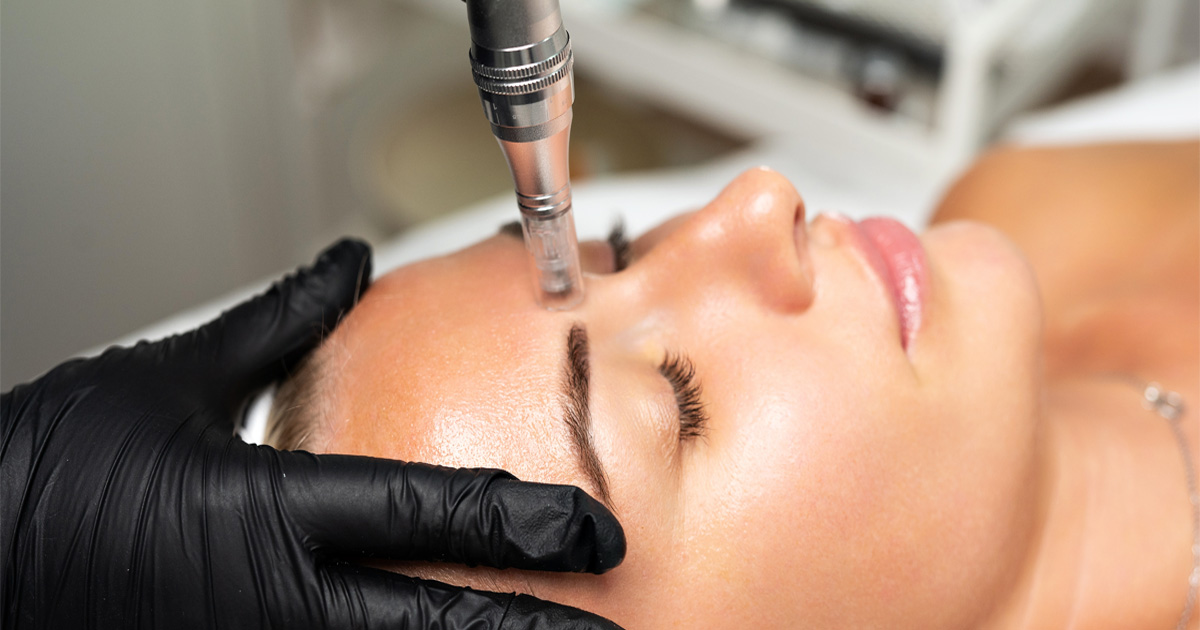
Next, a microneedling device is gently moved across the skin. The device contains fine needles that create controlled micro channels in the skin.
At the same time, radiofrequency energy is delivered beneath the surface of the skin. This controlled heat stimulates collagen remodeling and encourages the skin’s natural repair process.
Medical resources such as the Cleveland Clinic explain that microneedling procedures stimulate collagen and elastin production, which helps improve skin firmness and texture.
What to expect immediately after treatment
Immediately after treatment, the skin may appear slightly red. Many people describe the appearance as similar to a mild sunburn.
Temporary effects may include:
redness
mild swelling
skin sensitivity
dryness
slight tightness
These reactions are usually temporary and improve within a few days.
During the early healing stage, the skin may feel slightly tight as collagen production begins beneath the surface. This is part of the body’s natural repair process.
RF microneedling recovery timeline
Understanding the recovery timeline can help you feel more prepared.
First 24 to 48 hours
The skin may appear red and sensitive. Gentle skincare and sun protection are usually recommended during this time.
Days three to five
Redness often fades and the skin may begin to feel smoother as surface healing continues.
Weeks two to four
Collagen stimulation continues beneath the skin. Subtle improvements in texture may become noticeable.
Longer term improvements
Because collagen remodeling takes time, improvements may continue developing over several weeks.
If you want to understand how radiofrequency technology contributes to firmer skin over time, you can explore how radiofrequency microneedling supports skin tightening.
Expected improvements in skin appearance
Results vary depending on individual skin concerns and treatment plans. However, many people pursue this procedure because it may help improve several common skin concerns.
These improvements may include:
smoother skin texture
improved skin firmness
reduction in fine lines
acne scar reduction
overall skin rejuvenation
Because collagen stimulation takes time, improvements usually appear gradually rather than immediately.
Many individuals notice early improvements within several weeks as collagen production increases.
Understanding treatment options and expectations
Learning about skin rejuvenation procedures can help you set realistic expectations before starting treatment.
Different skin concerns may require different treatment approaches. Some people focus on improving acne scars or uneven skin texture, while others are more concerned about skin laxity or fine lines.
Understanding how treatment options work can help you ask better questions and feel more confident when exploring skin rejuvenation procedures.
If you want to review more details about how this type of procedure is offered and what concerns it may address, you can explore what to know about RF microneedling treatment options.
Frequently Asked Questions
Most people experience mild redness for a few days. Skin sensitivity usually improves quickly while collagen remodeling continues beneath the surface.
Some individuals notice subtle improvements within several weeks, although collagen production continues over time.
A topical numbing cream is typically applied before treatment. Many people describe the sensation as mild pressure or warmth.
Treatment plans vary depending on individual skin concerns. Some people benefit from multiple sessions spaced several weeks apart.
Yes. Collagen stimulation may support acne scar reduction and improve overall skin texture.
Learning more about skin rejuvenation treatments
Understanding how skin rejuvenation treatments work can help you make more informed decisions about your skincare goals. Treatments that stimulate collagen production may gradually improve texture, firmness, and overall skin appearance.
If you want to learn more about how the procedure works and what the treatment involves, you can explore Microneedling with RF.
Disclaimer
This article is for informational purposes only and should not be considered medical advice. Individual treatment recommendations may vary depending on skin type, health history, and personal goals. Always consult a qualified healthcare professional before beginning any cosmetic or medical treatment.
References
American Academy of Dermatology
https://www.aad.org/public/cosmetic/scars-stretch-marks/microneedling-fade-scars
Cleveland Clinic
https://my.clevelandclinic.org/health/treatments/23113-microneedling